Meet Zainab
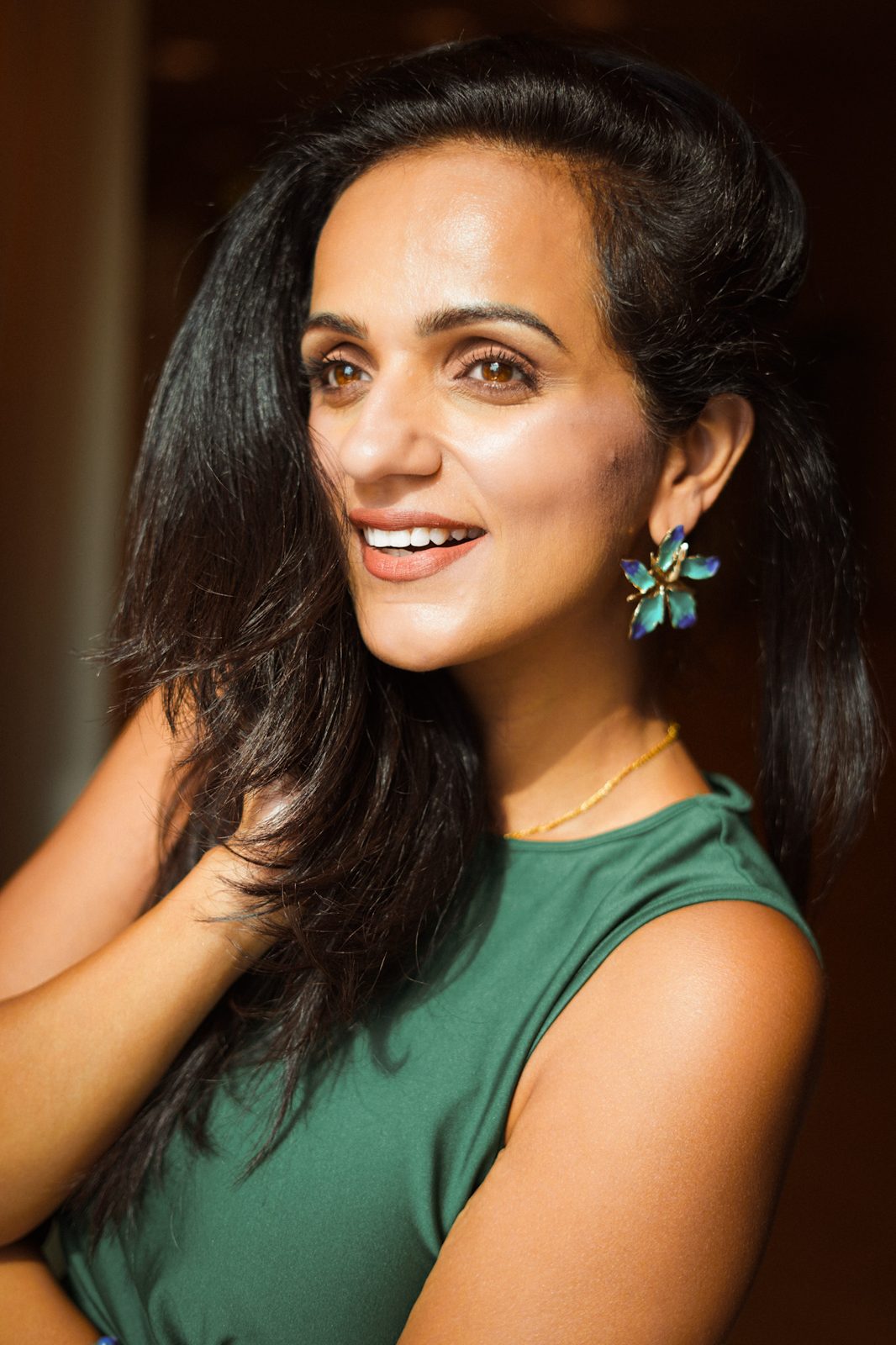
I’m Zainab Naqvi — a Health Coach graduate from the Institute for Integrative Nutrition in the USA and a certified yoga instructor (RYT-500). My work grew from a very personal journey of questioning what health, balance, self-trust and sustainable change actually mean.
I was born and raised in Pakistan and today I am based between Lahore and Dubai. Food, family, culture, motherhood, movement and self-discovery have all shaped the way I understand whole-person wellbeing. That background is also why I do not believe in handing people a single formula and expecting it to fit every body or every life.
From home-cooked traditions to college junk food
I grew up in Pakistan in a family where food was woven into daily life. Home-cooked meals were the norm, meat was usually treated as the centre of a “proper” meal, vegetables were often supporting characters, and eating out was a rare treat.
Then college arrived. For the first time I had independence, irregular hours and endless access to the food I had once considered an occasional indulgence. I became, in my own words, a full college junk-food eater. Fried wraps, wings, desserts and convenience food felt like freedom. I knew it was not how I wanted to eat forever, but I explained away tiredness, stress, skin issues and low energy as part of academic and social life.
At the same time, I was caught in the familiar pressure to fit a particular idea of beauty. Weight, appearance and acceptance became tangled together. That pressure was cultural, social and personal — and it took me years to recognise that it was actually a food disorder and how much it was shaping the way I treated my body.
I had to question what I had accepted as “normal”
Over time, my own health concerns became harder to ignore. I also carried years of watching people I loved live with long-term health problems. Those experiences made health feel emotional as well as physical, and they shaped many of the fears and assumptions I had carried since childhood.
My old story included a hypothyroidism diagnosis and the anxiety I felt around what that might mean for my future. What matters most to me now is not turning that chapter into a medical claim. It was a personal turning point: I realised I wanted to understand my habits, my stress, my body and my choices more consciously while continuing to respect appropriate medical care.
I began to see how easily we can normalise feeling depleted simply because we have lived with it for a long time. That realisation pushed me to become more curious rather than more fearful.
A different model of ageing stayed with me
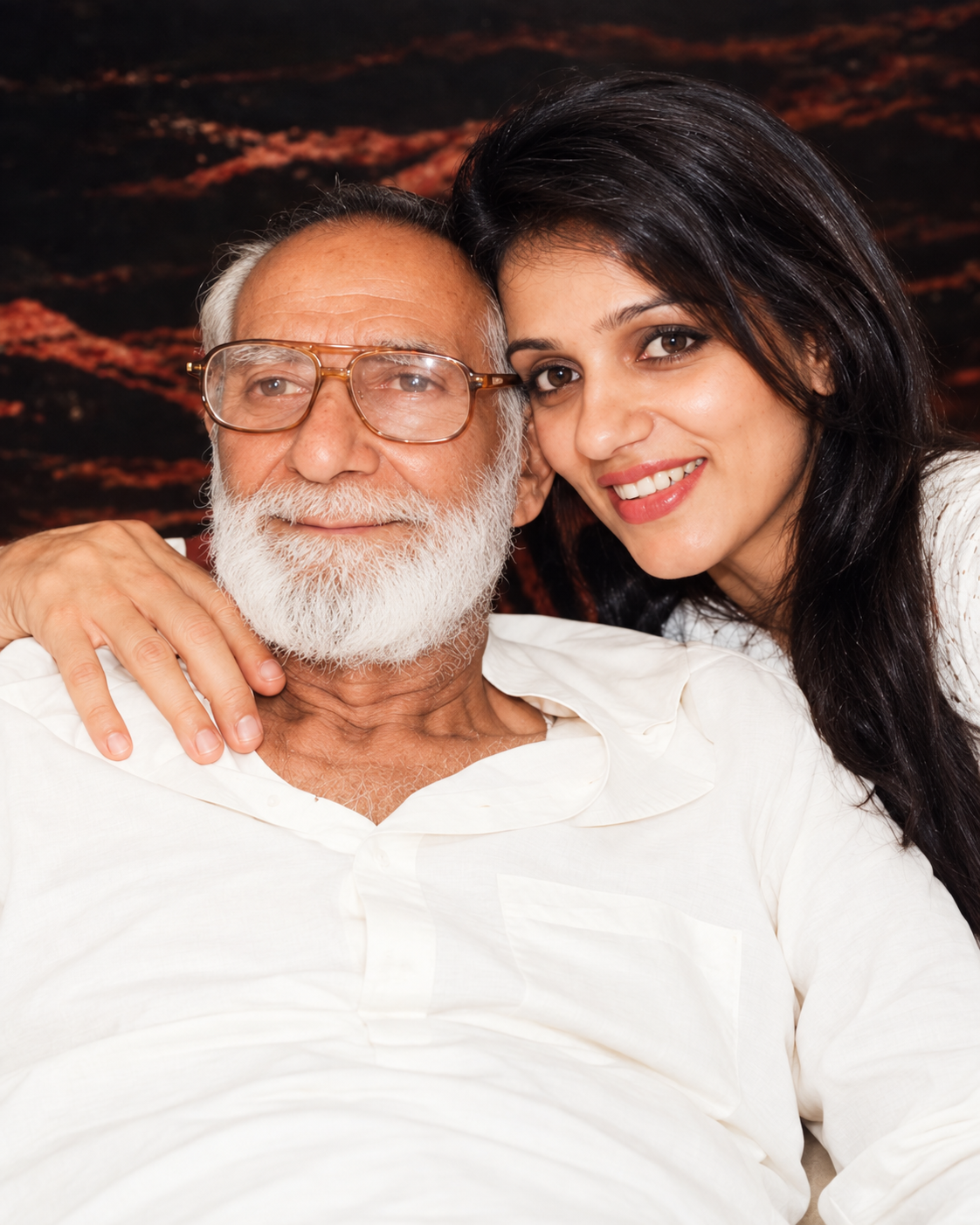
When I thought about family history, I also thought about my maternal grandfather. He was a naturopathic doctor who lived to the age of 99. One of my strongest memories is of him squatting on the floor for long periods while grinding herbs, and climbing stairs with remarkable steadiness even in later life.
His life gave me another way to think about health: not as perfection and not as a guarantee, but as a relationship with everyday choices, curiosity, nature and consistency. I tried to change my own routines more than once, and more than once life got in the way. Work, marriage and responsibility made rigid plans difficult to sustain.
That pattern of starting, stopping and starting again later became important in my coaching philosophy. Real change has to work in real life.
Motherhood changed the question
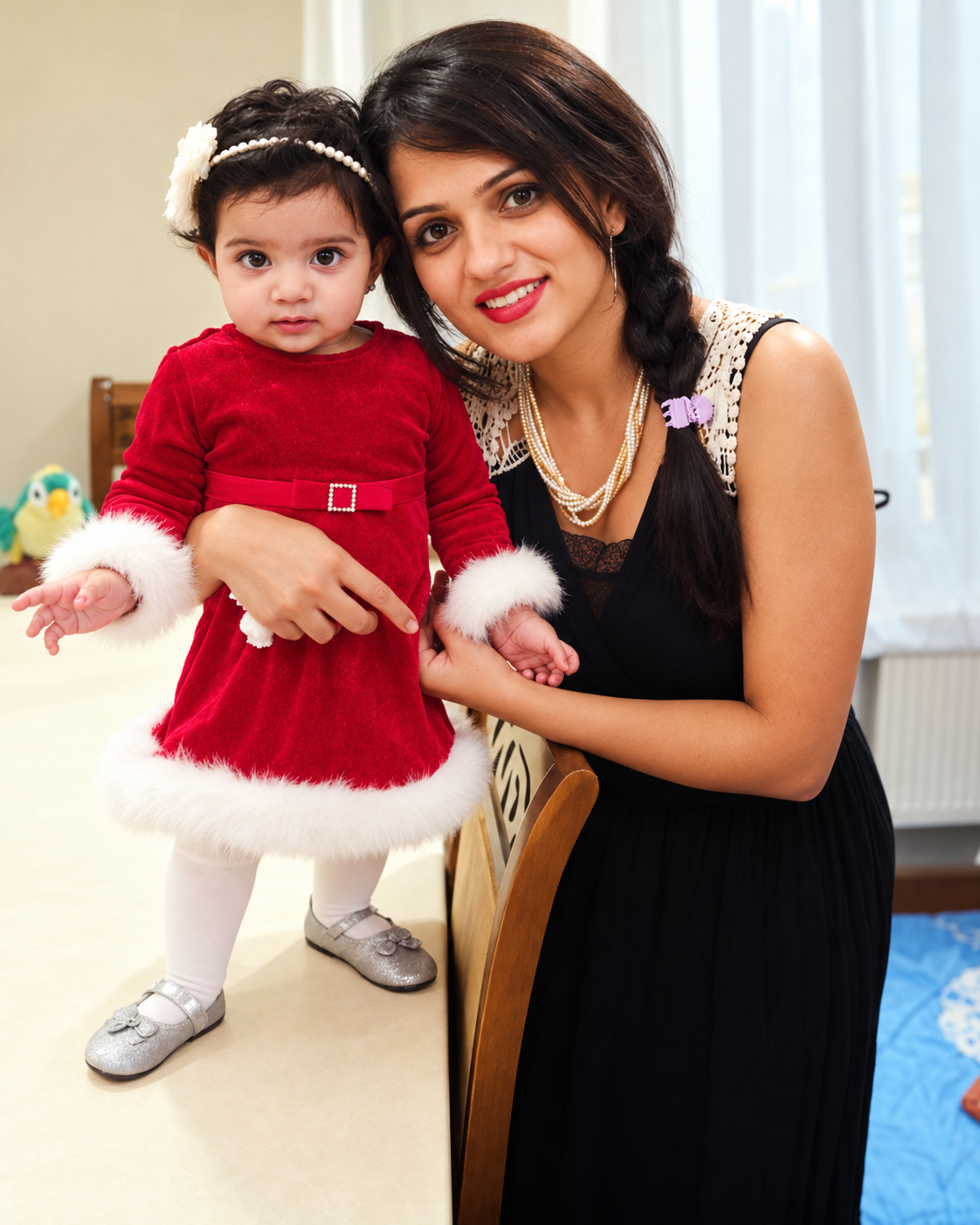
When my daughter was born in 2012, health stopped feeling like something I could keep postponing. Holding her made the question much more personal: how did I want to show up for her, and what kind of energy and presence did I want to bring into our life together?
There was no overnight transformation. New motherhood was exhausting. Routines were difficult to maintain and progress came slowly. I fell out of plans, returned to them, adjusted them and gradually stopped seeing every setback as proof that I had failed.
That period changed the way I think about willpower. Sustainable change is rarely a straight line. It has to survive sleepless nights, work, family responsibilities, changing energy and the inevitable weeks when life disrupts the plan.
Yoga taught me to listen differently
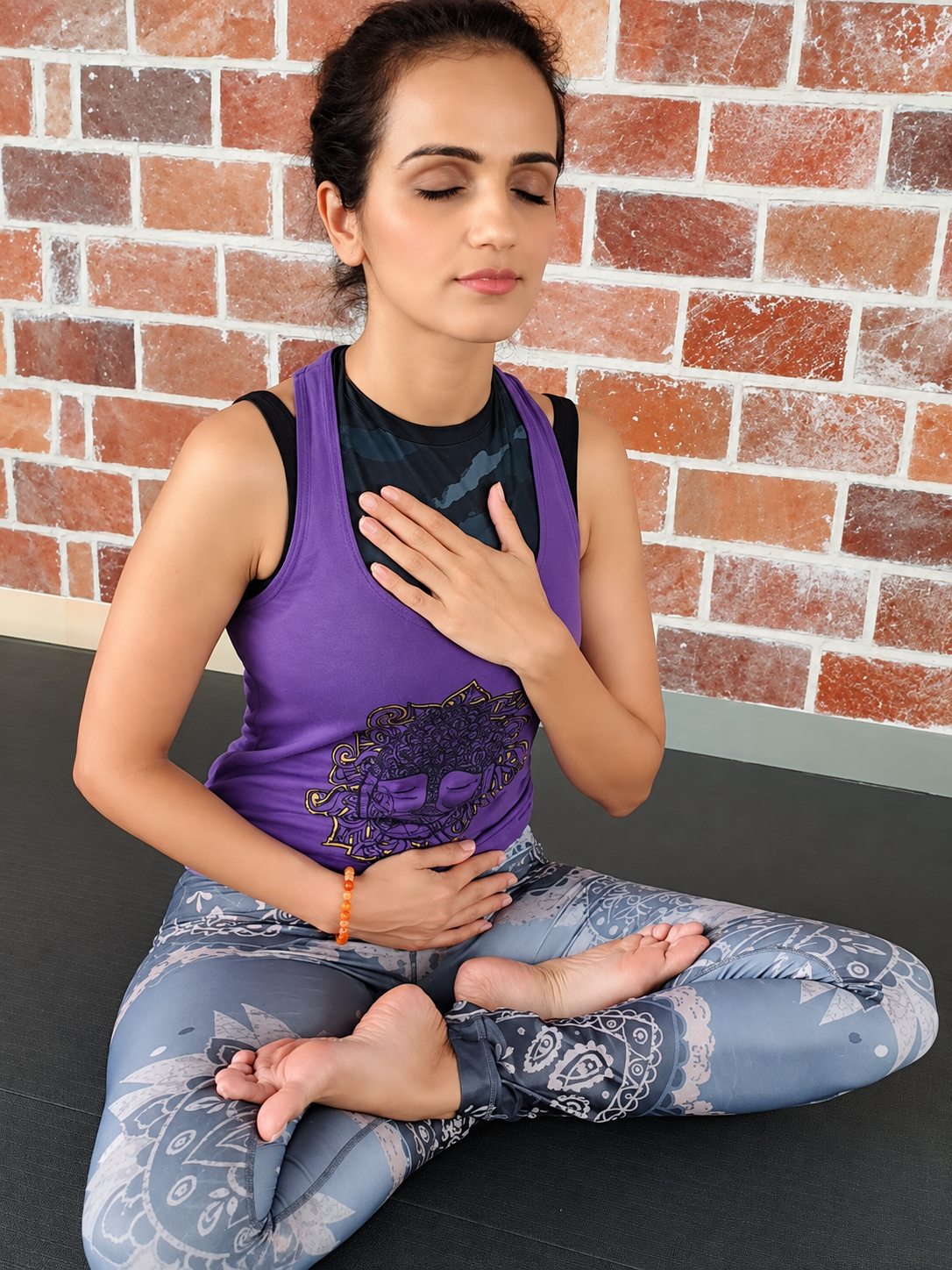
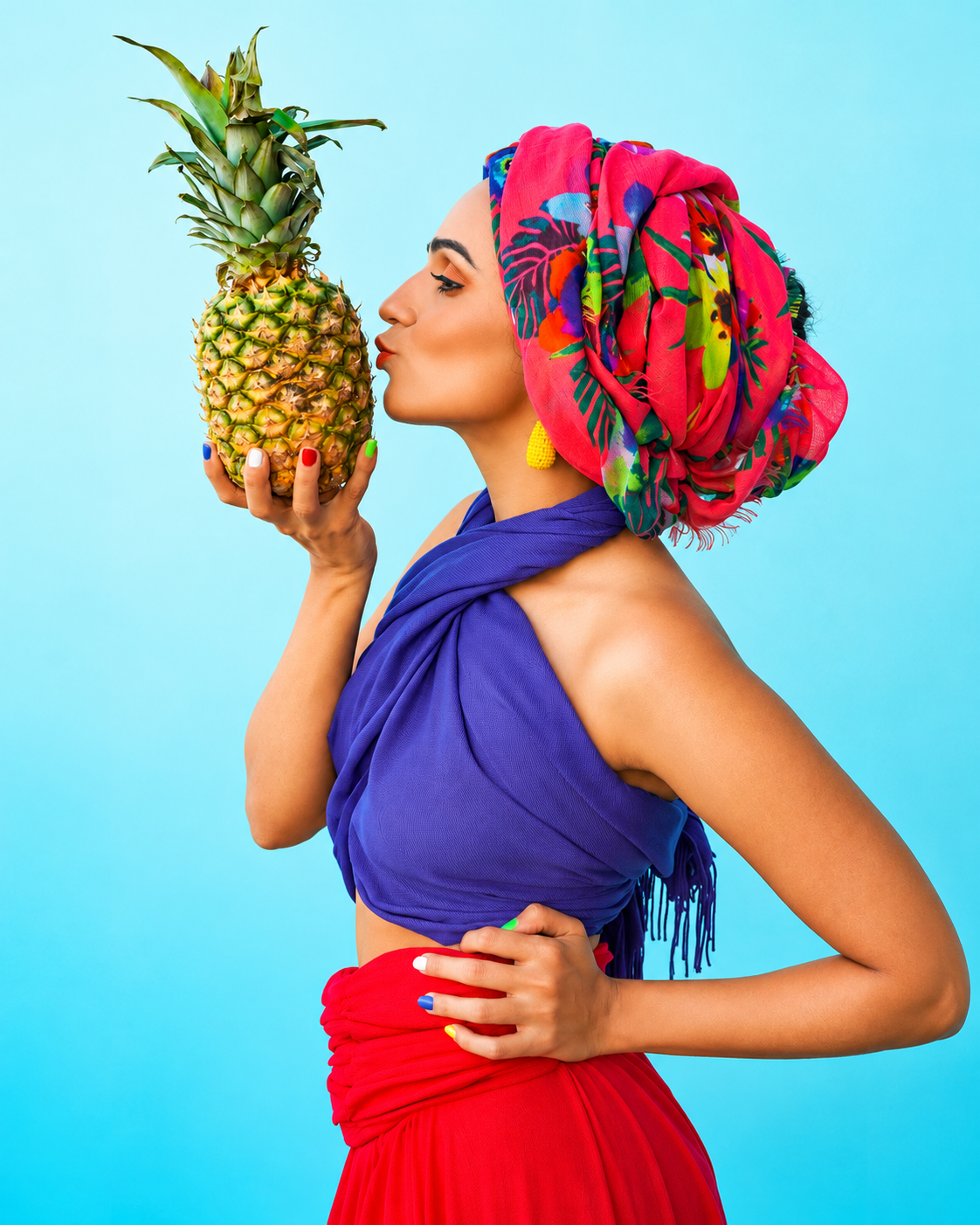
Yoga became one of the most important parts of my own wellbeing journey. It gave me a way to slow down, notice what I was feeling and reconnect movement with breath rather than using movement as punishment or performance.
My relationship with food evolved too. Over the years I explored vegetarian, vegan, raw and pescetarian ways of eating, and later reintroduced other foods. I learned from each phase, but I also learned how easy it is to become attached to a label simply because it worked for somebody else.
The most useful lesson was not that one diet was universally “right.” It was that bodies, histories, preferences, cultures and circumstances differ. What supports one person may not suit another. That is where the principle of bio-individuality became much more than an idea to me.
Today I am far less interested in selling a perfect wellness formula. I am interested in helping people notice patterns, understand context and build habits that can actually live inside their own lives.
From personal experimentation to professional practice
My own journey eventually led me to formal training in health coaching and yoga. I wanted a stronger framework for the questions I had been asking for years: why do habits stick for one person and fail for another? How do food, movement, beliefs, stress and relationships interact? How can support be practical without becoming prescriptive?
My work today brings together health coaching, mindful movement, reflection and whole-person wellbeing. It does not replace medical diagnosis or treatment, and I do not believe every health concern can be solved through lifestyle. What coaching can do is create space to understand patterns, clarify priorities and make more intentional choices.
That is the thread connecting the girl who ate whatever she wanted at college, the mother who wanted more energy for her daughter, the yoga student learning to listen inwardly, and the practitioner I am today.
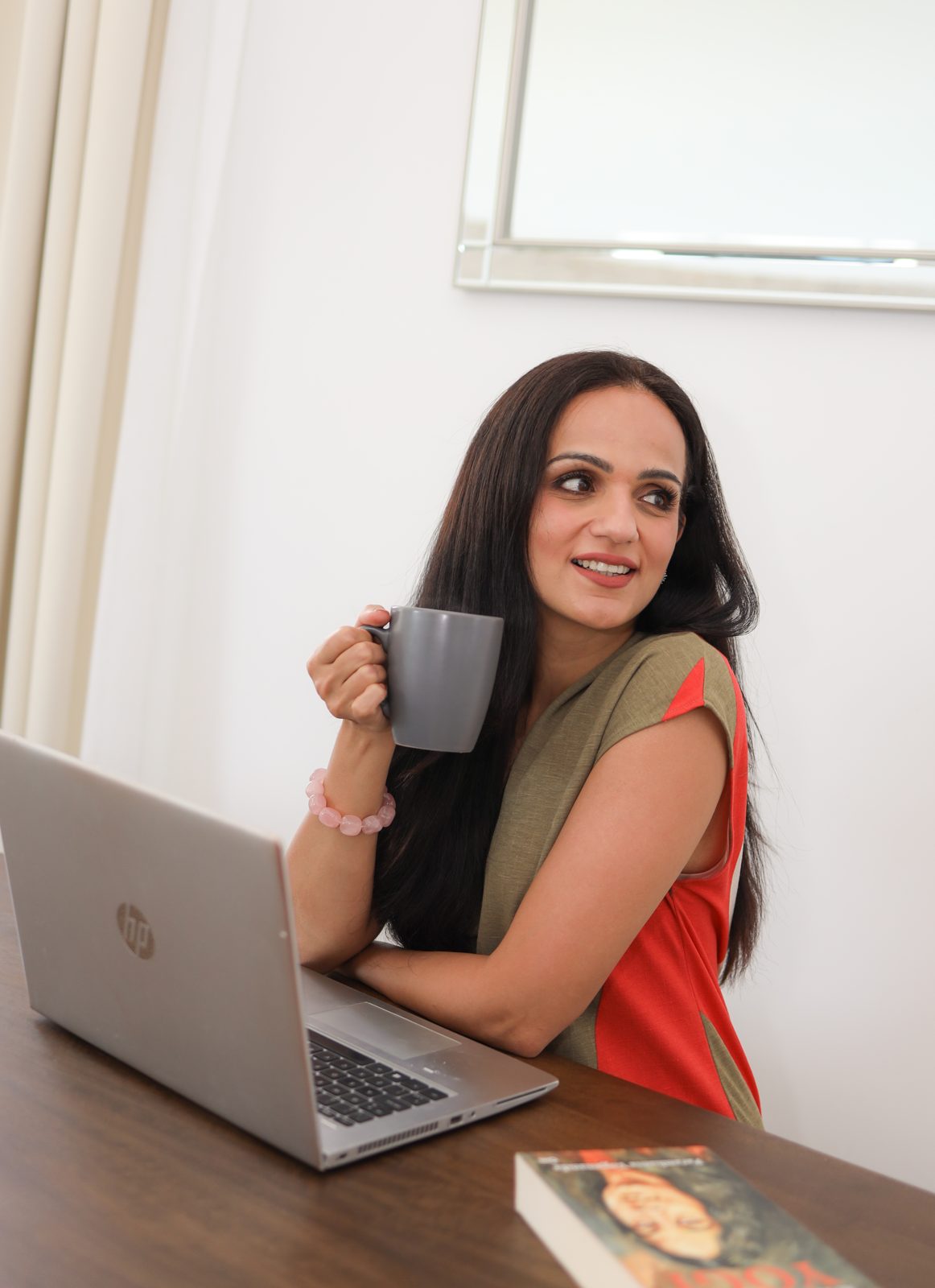
“The goal was never to become perfect. It was to become more aware, more capable of choosing, and more at home in my own life.”
That perspective continues to shape the way I approach coaching, yoga and whole-person wellness today.
Your story does not need to look like mine.
I share my journey because it explains why I care so much about context, individuality and sustainable change — not because I expect anyone to repeat my choices.
If you are looking for coaching, yoga, mindful movement or whole-person wellbeing support, the first step can simply be a conversation about where you are now and what you would like to change.